




















Carbon Rights Hub

Ressources techniques, recommandations d’experts, meilleures pratiques et informations fondées sur des données pour les peuples autochtones, les peuples afro-descendants et les communautés locales afin de protéger leurs droits.

What are carbon rights?

Carbon rights are usually defined as a legal claim or entitlement to the benefits generated by activities that sequester or remove carbon from the atmosphere. But this definition assumes that carbon is a tradable asset.
  • Defining carbon rights as a claim to benefits turns Earth’s natural resources into commodities.
  • This approach conflicts with the holistic, reciprocal relationship that Indigenous Peoples, Afro-descendant Peoples, and local communities have with nature.
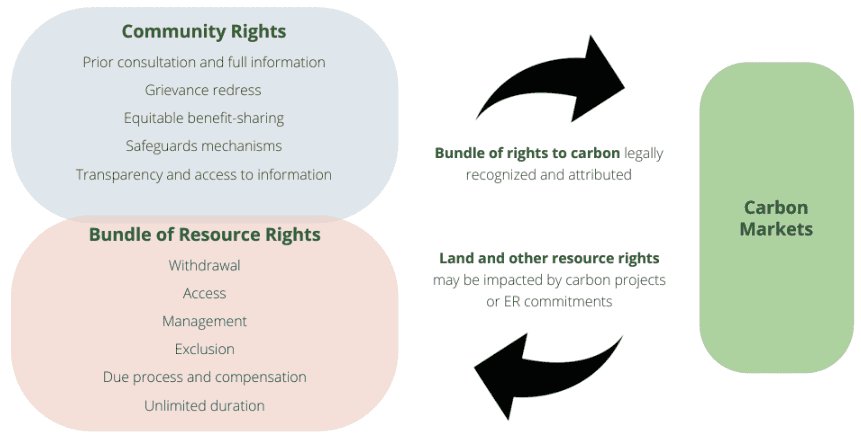
  • It also does not capture the bundle of rights that communities assert regarding the lands and resources that nature-based climate solutions and carbon markets target.
  • Instead, if we think of carbon rights as a broad bundle of rights communities can assert, this can include legal protections for community lands, forests, or other resource assets that lock-in carbon dioxide and other greenhouse gases; the rights to own, manage or use carbon in alignment with community values or priorities; the right to meaningful consultations and free, prior, and informed consent in the context of external demands for engagement in climate-related schemes; the right to participate in setting rules to regulate trade in carbon; rights to safeguards and benefit sharing arrangements; and rights to due process, fairness, and compensation.

Why is recognizing the carbon rights of Indigenous Peoples, Afro-descendant Peoples, and local communities important?

Global interest in nature-based climate solutions has never been greater.

As of October 2024, 91 countries have expressed interest in participating in carbon market activities under Article 6.2 of the Paris Agreement. If fully realized, cumulative carbon removal activities pledged in countries’ Nationally Determined Contributions would require between 0.9 and 1.1 billion hectares of land (an area larger than the United States) between 2020 and 2060.

To date, nature-based climate solutions have mostly been in rural landscapes in the Global South, ignoring the primary drivers of deforestation, forest degradation, and biodiversity loss: global supply chains for agriculture, timber, mining, and other commodities.

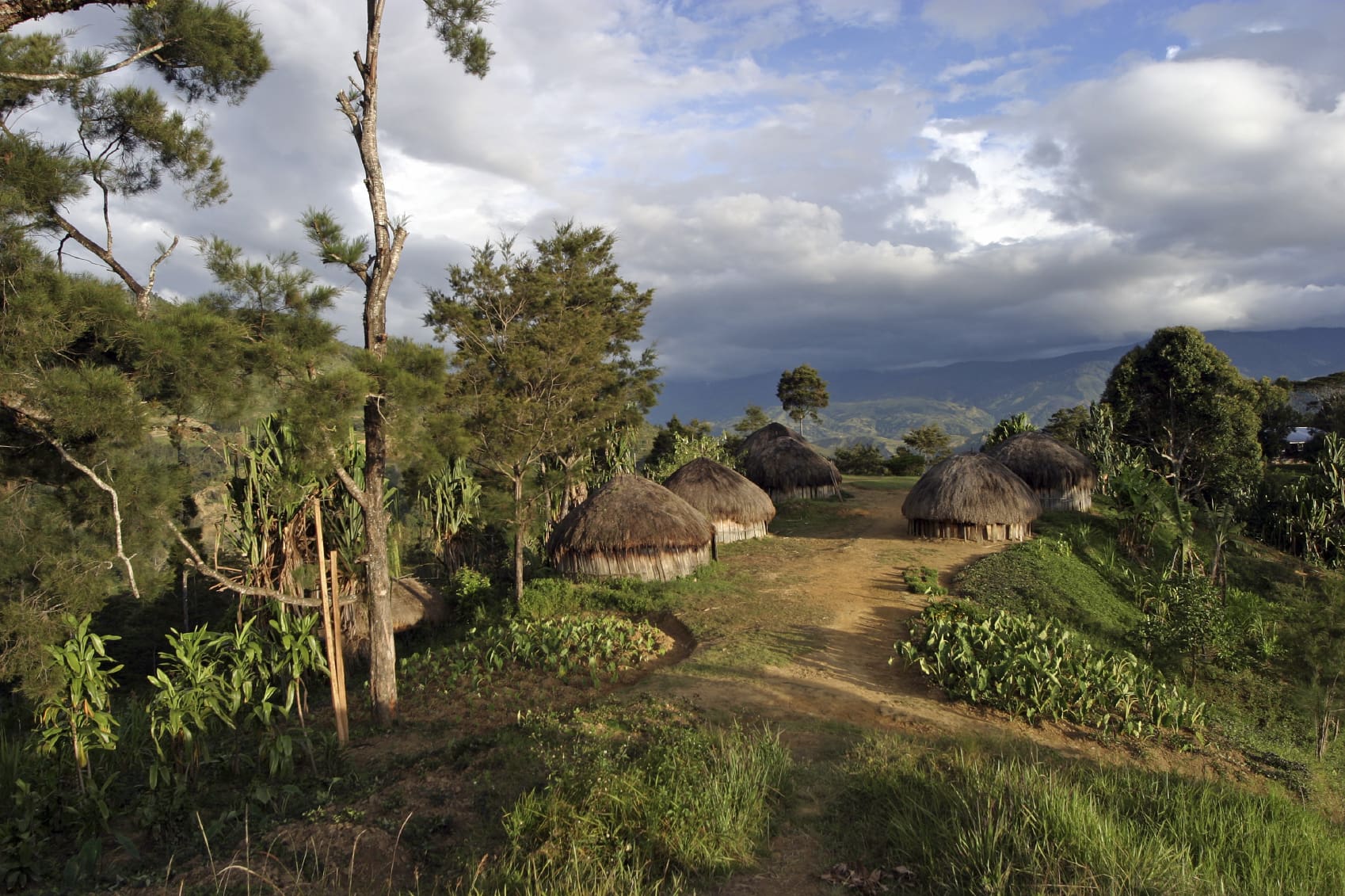
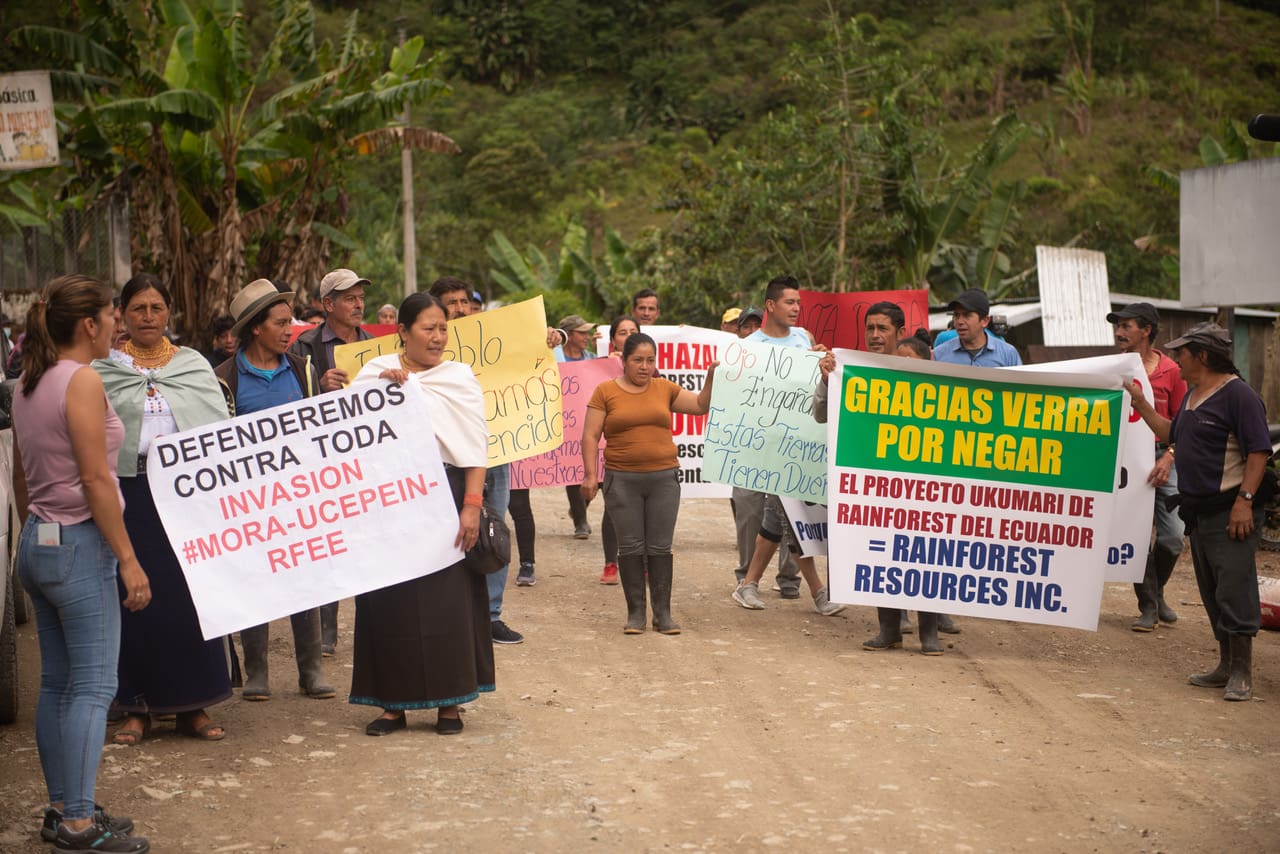
  • The problem? Many of these activities are taking place in lands historically claimed, inhabited, and used by Indigenous Peoples, Afro-descendant Peoples, and local communities.

  • But research has shown that community-managed forests have lower rates of deforestation, higher carbon storage, and higher biodiversity conservation than government-protected areas. Without secure rights, nature-based climate solutions are putting communities’ well-being at risk—and threatening the integrity, legitimacy, and future of carbon markets altogether.

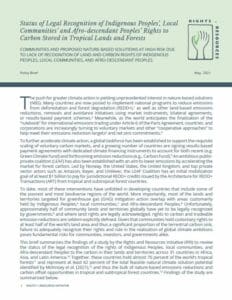
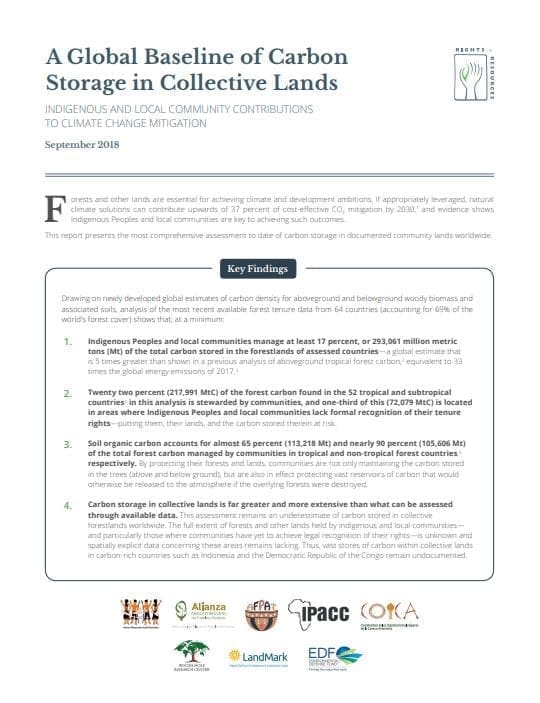
  • As of 2018, at least one-third of the carbon managed by Indigenous Peoples, Afro-descendant Peoples, and local communities in tropical and subtropical countries lies in forests where the primary stewards lack legal land titles, putting them, their forests, and the carbon they store at great risk.

Key terms to know and understand

Paris Climate Agreement

Paris Climate Agreement

A legally binding international treaty on climate change adopted in 2015 that aims to limit the global average temperature increase to 1.5° Celsius. In particular,

  • Article 6.2: Allows countries to trade emission reductions and removals directly with one another through mutual agreements.
  • Article 6.4: Creates the framework to operationalize an international carbon market mechanism in which governments and businesses can sell and purchase emission reduction credits (also known as carbon credits) to mitigate greenhouse gas emissions.

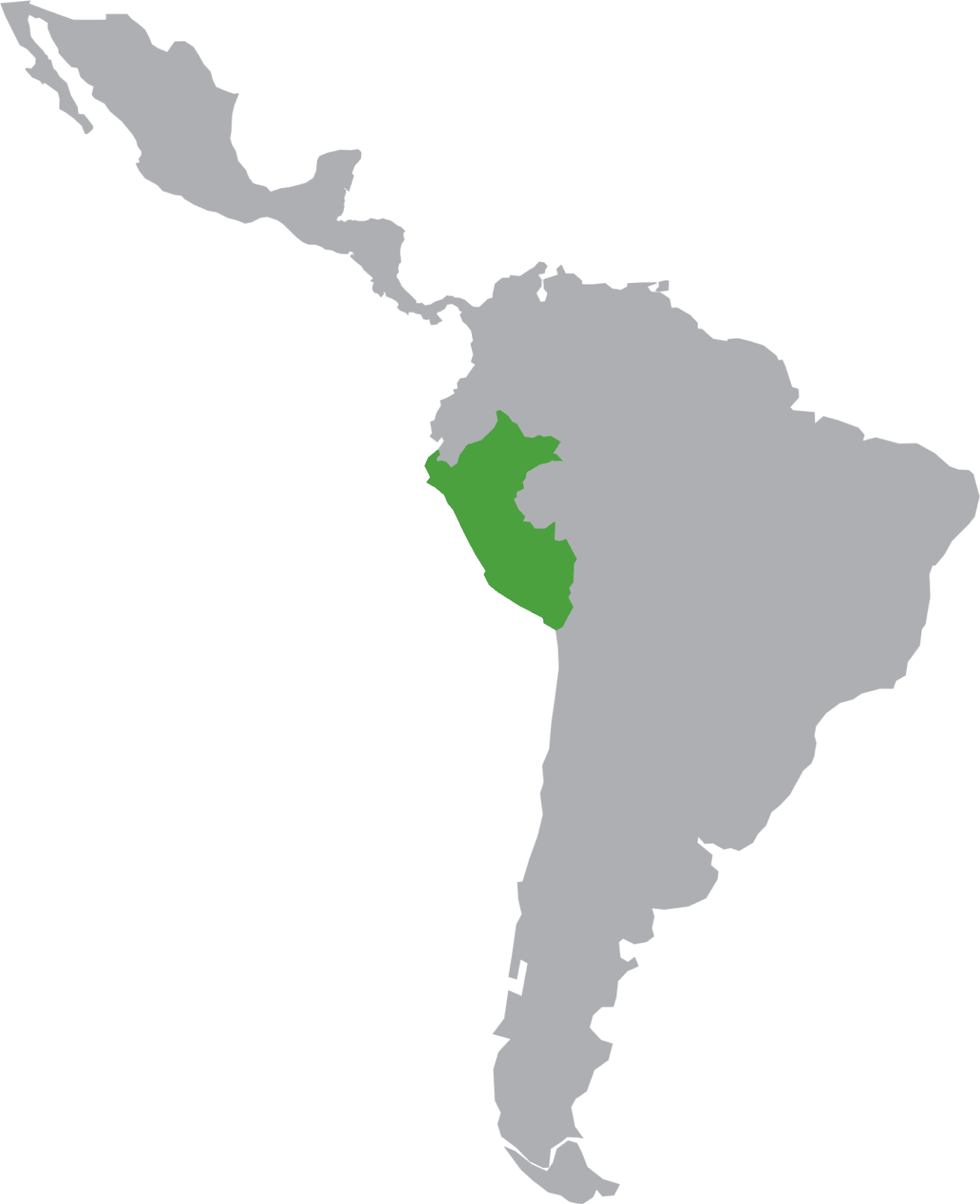
What is the state of communities’ legal rights to carbon in 33 countries as of August 2024?

Community rights to carbon are explicitly recognized

Africa<br />
Republic of Congo

Africa
Republic of Congo

Latin America<br />
Peru

Latin America
Peru

Asia<br />
Indonesia

Asia
Indonesia

Note: The 33 countries analyzed represent 67% of the world’s tropical and subtropical forests and have a combined rural population of 1.54 billion people. These countries were selected because they are among the most targeted for growing carbon market initiatives.

Source: Rights and Resources Initiative. 2025. The Carbon Rights of Indigenous Peoples, Afro-descendant Peoples, and Local Communities in Tropical and Subtropical Lands and Forests: A Systemic Analysis of 33 Countries. Rights and Resources Initiative, Washington, DC. doi:10.53892/CQLY7821.

Recommended actions to safeguard communities’ rights to carbon

Indigenous Peoples, Afro-descendant Peoples, and local communities

1. Seek Secure Tenure

Advocate for the legal recognition of community rights to land, territories, forests, and resources, as carbon rights are often closely tied to land or a resource pool.

2. Know Your Rights

Know and understand the full extent of community rights recognized under international law (See Land Rights Standard), including the ways in which carbon rights (See graphic on Carbon Trading and Resources Rights) are defined at the country level, to make informed decisions on whether and how to engage with carbon market initiatives.

3. Shape the Legal Landscape

Engage with national legal processes and advocate for new laws or reforms to mitigate the risk of potential rights violations based on lessons learned and best practices from other countries.

4. Establish Rules for Engagement

Using resources such as the Land Rights Standard, determine your community’s minimum demands, processes, and priorities when entering into negotiations with carbon project proponents.

5. Build Community Knowledge

Explore existing tools, workshops, and publications and leverage independent legal and technical experts to build your community’s understanding of carbon markets, legal frameworks, and contracts and negotiations.

6. Pursue Grievance Redress

When rights violations occur, seek grievance redress through available mechanisms, including national justice systems as well as carbon market standards. Any grievance redress should be accessible, adequate, promptly and designed with communities or include communities' customary laws.

Governments, donors, private sector actors, and international organizations

Secure the legal recognition and protection of the land, forest, and territorial rights of Indigenous Peoples, Afro-descendant Peoples, and local communities, including carbon.
Adopt robust safeguards to protect the human rights of Indigenous Peoples, local communities, Afro-descendant Peoples, and the women within these groups, including their right to FPIC, based on the Land Rights Standard.
Ensure national-level carbon regulations respect the rights of communities in the context of voluntary carbon markets (VCMs) and Article 6.2 and 6.4 mechanisms of the Paris Agreement.
Provide communities with access to independent legal counsel and grievance redress mechanisms.
Establish minimum standards for benefit sharing, due process, and compensation to ensure equitable implementation of nature-based solutions.
Increase direct financing support for community-led initiatives, needs, and priorities.

Workshops

To build rightsholders’ capacity around engaging with carbon market initiatives, RRI developed a 3-day, training-of-trainer workshop for rightsholders to:

  1. Strengthen participants’ understanding of market-based approaches to carbon and biodiversity crediting schemes
  2. Explain the relevance of high integrity principles and the challenges associated with their realization
  3. Identify key risks and challenges for communities in engaging with carbon market initiatives
  4. Identify the distinct and differentiated rights of Indigenous Peoples, Afro-descendant Peoples and local communities, and women within these groups that can be leveraged to uphold community rights to tenure, ecosystem functions and services, and the governance of associated benefit flows
  5. Provide an overview of key steps in the elaboration of carbon or biodiversity crediting schemes, including project documents, baseline requirements and other related decision-points.

Pooled funding mechanism for providing support to communities

RRI is working with partners to support the design and development of a pooled funding mechanism to provide independent legal and technical support to communities affected by nature-based solutions, including carbon market initiatives. During New York Climate Week in 2024, RRI, Namati, the Grassroots Justice Network, and Rights CoLab convened a multi-stakeholder workshop to develop a roadmap to establish the fund. RRI and Namati have convened a Steering Committee to guide the process of designing the mechanism.

To sign up for future updates on this initiative, submit your contact information here:

Name(Nécessaire)